
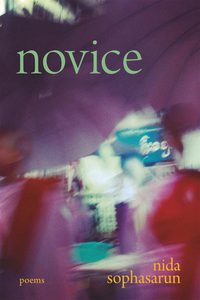
Novice, the debut poetry collection by Nida Sophasarun ’99, uses direct but haunting language to confront life’s most persistent mysteries. Organized by tropical seasons—hot, rainy, cool—the poems move through adolescence and adulthood into the vicissitudes of middle age. At every stage, the poet explores her sense of self, often in the context of her relationships with friends, family, spouse, and son.
Raised in Atlanta, Sophasarun has lived and worked all over the world, in areas as diverse as Bulgaria, China, Japan, Myanmar, and Taiwan. One might speculate whether her unique sensibility or her wide-ranging experience has most influenced her work. Wellesley surely played a role; she acknowledges poet and professor Frank Bidart as an early mentor.
In “She’s a Maniac,” the poet describes viewing and storing a video of a small child in a refugee camp on her laptop: He is the age / of my son, and I hover / until my thumb presses save / which sends it to a folder called / saved, where I also collected a gorilla / who spins to the track “She’s / a Maniac…” The juxtaposition of the footage of the refugee boy with the gorilla clip reminds us of the impossibly absurd struggle to comprehend the range of existence we encounter on this planet, and how this phenomenon is heightened by the chaos of the internet. Closing, the speaker invokes Yeats, confessing: I rewind, / complicit in returning her / to her cell since I like to watch / a dancer become the dance / as there is no saving ourselves.
“The Paperback Room” describes college friends falling under the spell of a slew of romance novels shelved in a secluded section of what sounds like Clapp Library. In this poem, a spontaneous read-aloud session begins in irony and hilarity but evolves into something else. Later my friend confessed she went alone to the paperback room the next day / and stunned herself with how she couldn’t stop reading. She was the most honest of us all about the chaos of her body. Sophasarun’s gift for storytelling and scene-making is particularly strong here and in poems where the poet grieves the loss of her parents. In “Graceland Cemetery,” she writes: I watched my father placed in a box, / someone called out directions / so his spirit would follow us / on the highway to the temple, and before / he was slid into a furnace, / his brother pulled up a chair / to speak with him.
What is poetry but the attempt to make beautiful and lasting art from the inadequacies of language? As Sophasarun writes in “Planet in a House,” I try to name things / I have known my entire life / but the words will not / express themselves.
Summer Loss
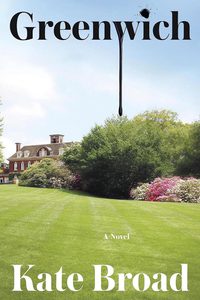
In a novel about the ripple effects of privilege, Kate Broad ’06 explores what happens when teenager Rachel steps into the midst of a family in crisis in a tony Connecticut town. A tragedy occurs and blame falls on an employee—Claudia, the live-in babysitter—who has befriended Rachel. A story about class, race, sexuality, and power, Greenwich raises questions about who is believed and protected and who is blamed when things go badly wrong.
Instructions in Love
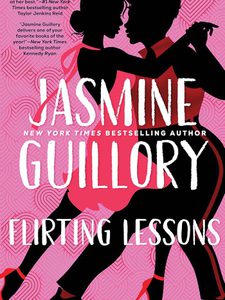
In the eagerly awaited latest romance novel from Jasmine Guillory ’97, Avery Jensen, nearly 30 and newly single, wants to break free from her uptight routine and explore dating—especially women. Enter Taylor Cameron, dating coach, who offers to teach Avery how to flirt as a distraction from her own breakup. Weekly lessons turn into something deeper, and Avery finds herself falling for Taylor. Taylor must decide if she’s ready for something real—or if it’s already too late.
Family Secrets
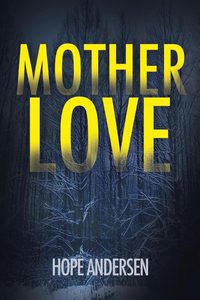
In MotherLove, Hope Costin Andersen ’77 tells the story of Rebecca Winslow, who is reeling from personal tragedies and a crumbling marriage. She follows a clue to St. Croix in search of her missing sister. There, she discovers her sister comatose and suspected of murder. As Rebecca fights for her sister’s innocence, disturbing truths emerge, forcing Rebecca to confront dark secrets and her own pain. What begins as a mission of rescue becomes a journey of self-discovery.
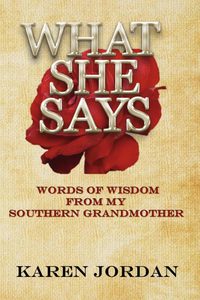
An Elder’s Wisdom
In this book, journalist Karen Jordan ’91 shares the wisdom of her Arkansas grandmother, Emma Burse Crawford, born in 1912. Jordan visited often while growing up—and always at Thanksgiving. Flavored with old-school common sense, her grandmother’s quotes cover topics ranging from relationships to how to best handle stress and more. For example: When you’re speaking to someone who doesn’t have your best interests at heart, remember, “Sometimes it’s better for folks to be mad at you.”
Walsh is a writer based in Atlanta.
For a list of new books, albums, and other media by members of the Wellesley community, see Pages & Playlists.

Post a Comment
We ask that those who engage in Wellesley magazine's online community act with honesty, integrity, and respect. (Remember the honor code, alums?) We reserve the right to remove comments by impersonators or comments that are not civil and relevant to the subject at hand. By posting here, you are permitting Wellesley magazine to edit and republish your comment in all media. Please remember that all posts are public.